

A useful website audit combines business clarity, user journeys, content, conversion, technical search, performance, accessibility, security and operations. Findings should be prioritized by impact, evidence, effort and dependency rather than presented as an unranked defect list.

Key takeaways
- Begin with business and user outcomes.
- Sample every important template and journey.
- Use automated tools as evidence inputs, not final judgment.
- Turn findings into an owned, sequenced roadmap.
Who this is for: Marketing, product and technical teams diagnosing an underperforming website.
Define the audit question
An audit for declining organic traffic differs from an audit for weak lead quality or difficult content operations. Define the decision the audit must support and the baseline period.
- Primary business outcome
- Priority audiences and journeys
- Known incidents or changes
- Representative templates
- Available analytics and search data
- Technical and organizational constraints
Eight audit lenses
Review the relationships between the lenses.
| Lens | Core question | Evidence |
|---|---|---|
| Positioning | Can the right visitor understand the offer? | Message and proof review |
| UX | Can users complete priority tasks? | Journey tests and behavior data |
| Content | Is information useful, accurate and owned? | Inventory and quality review |
| Conversion | Are next steps clear and measurable? | Forms, events and funnel data |
| Search | Can engines discover and understand pages? | Crawl, index and query data |
| Performance | Is the experience responsive and stable? | Field/lab data and template tests |
| Accessibility | Can diverse users operate the experience? | Automated and manual checks |
| Operations | Can the team maintain it safely? | Access, workflow and runbooks |
Prioritize findings
A defect list overwhelms teams. Convert observations into decisions.
- 1State the observed problem and evidence.
- 2Explain user and business impact.
- 3Identify the affected templates or journeys.
- 4Propose the smallest credible intervention.
- 5Estimate effort, dependency and risk.
- 6Assign an owner and success measure.
Tool-assisted checks
Use crawlers, Search Console, analytics, browser developer tools, performance tools and accessibility scanners, then manually validate representative findings.
Finding: Contact form success is not measured
Evidence: No success event in analytics
Impact: Lead funnel cannot be evaluated
Action: Add validated submission event
Owner: Engineering + Marketing
Verify: Test event in production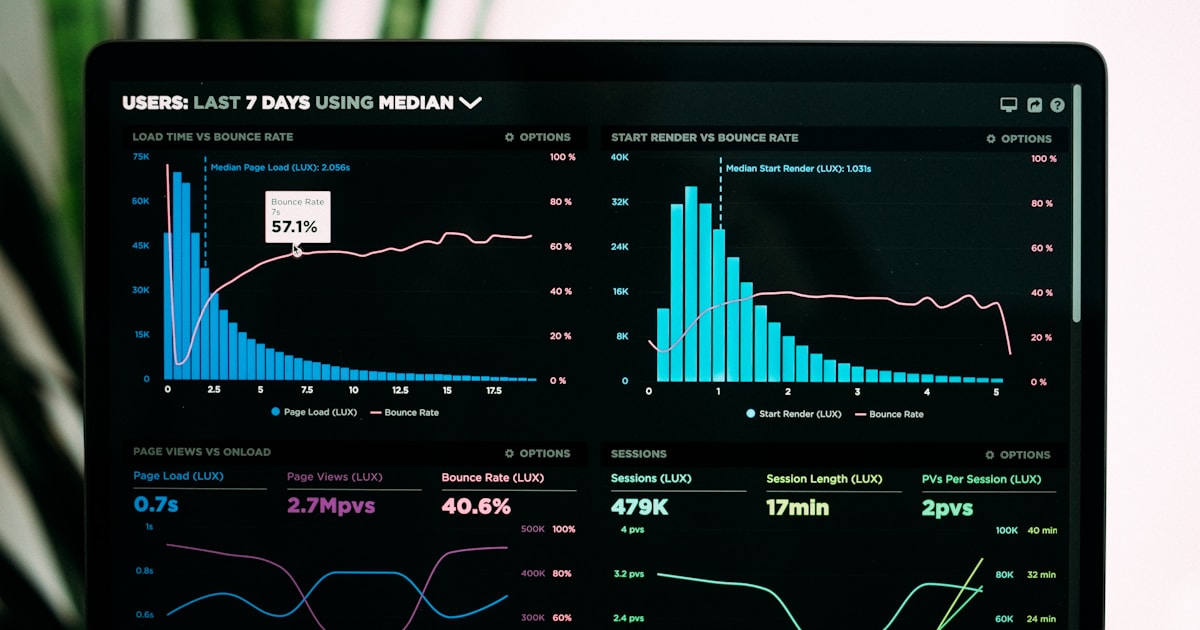
Build the roadmap
Sequence blockers and foundational fixes before cosmetic refinements. Group systemic template issues so they are solved once rather than page by page.
Re-measure using the same baseline definitions. An audit creates value only when findings become implemented and verified improvements.
How to use this guide with your team
An audit becomes useful when observations turn into owned decisions. Avoid a report with hundreds of unranked warnings; teams need to understand which problems matter, what evidence supports them and what should happen first.
Group repeated findings by template or system. Fixing the shared cause is usually more reliable than repairing individual pages one at a time.
Re-run the same checks after implementation and compare results with the baseline. Without verification, the audit records activity rather than improvement.
Practical next steps
Use the following actions as a short working session. Record decisions, owners and unresolved questions so the article becomes an implementation aid rather than passive reading.
- 1Define the decision the audit must support.
- 2Sample every priority template and journey.
- 3Group findings by underlying cause.
- 4Assign impact, effort, owner and success measure.
- 5Verify completed work against the original evidence.
Frequently asked questions
Can an automated tool complete a website audit?
No. Tools can detect patterns and technical signals, but business fit, content usefulness, journey quality and prioritization require human judgment.
How often should a website be audited?
Use continuous monitoring for critical systems and focused audits after major changes or when performance signals show a problem. A broader periodic review can support planning.
Sources and further reading
Last reviewed: September 1, 2026