

A website needs redesign attention when users cannot understand the offer, complete key tasks or trust the business—and when the current content model or technical foundation prevents practical improvement. Diagnose the failure before selecting the size of the intervention.

Key takeaways
- Old appearance alone is not the diagnosis.
- Prioritize blocked customer journeys and business risk.
- Measure before and after using the same definitions.
- Some problems need content or refactoring rather than a total rebuild.
Who this is for: Business and marketing leaders deciding whether an underperforming website needs targeted improvement or a full redesign.
Customer-facing warning signs
These symptoms directly affect understanding, trust or task completion.
- Visitors cannot explain the offer after scanning the homepage
- Navigation reflects internal departments rather than user needs
- Mobile actions are difficult or obscured
- Proof is generic or disconnected from services
- Forms ask too much or fail silently
- Important content is outdated or contradictory
Operational and technical warning signs
Internal friction can justify intervention even when the website still looks acceptable.
- Routine edits require developer work
- Components behave inconsistently
- Updates repeatedly break the site
- Performance problems recur across templates
- Tracking cannot answer basic conversion questions
- The platform or dependencies are unsupported

Prioritization matrix
Score each issue by customer impact, business risk, frequency and effort.
| Impact | Frequency | Action |
|---|---|---|
| High | High | Fix or redesign immediately |
| High | Low | Create contingency and targeted fix |
| Low | High | Bundle into systematic UX/content improvement |
| Low | Low | Monitor; do not let preference drive scope |
Redesign, refactor or content improvement?
Choose the smallest intervention that resolves the underlying problem without locking in a weak foundation.
- 1Use content improvement when hierarchy, proof and clarity are the main issues.
- 2Use UX redesign when journeys and interaction patterns are failing.
- 3Use technical refactoring when components, performance or maintainability are localized problems.
- 4Use a rebuild when the foundation prevents required security, workflows, editing or scale.
Create a measurable redesign brief
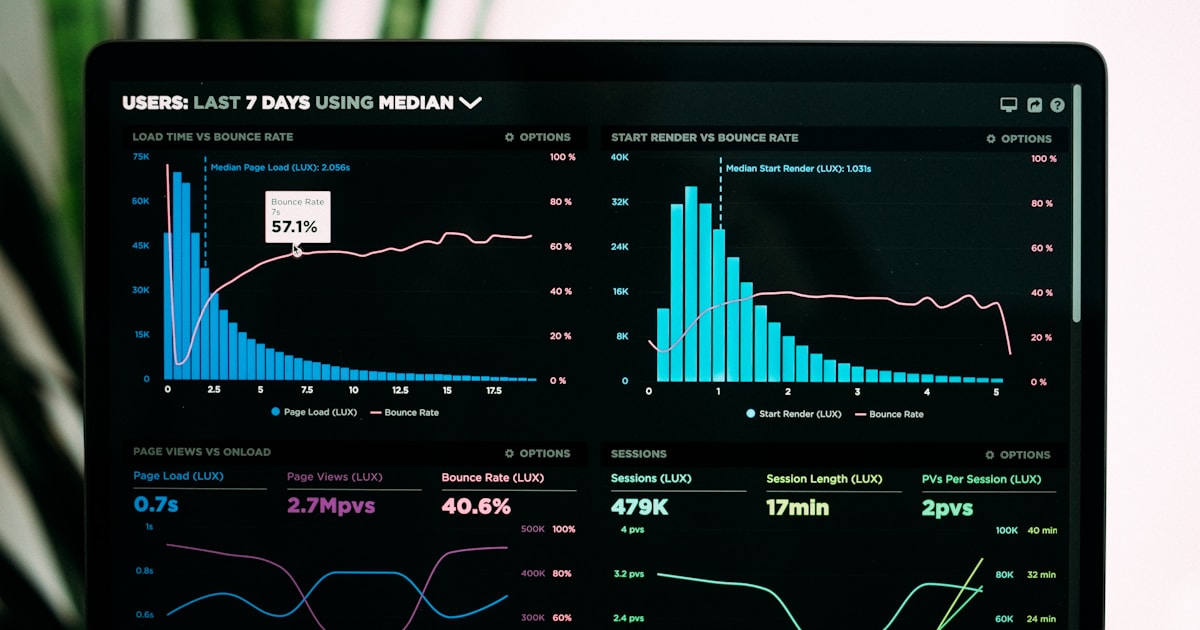
Record the baseline and define what should change: form completion, qualified leads, task success, content publishing time, performance or support load. Avoid a goal such as make it modern without a business or user outcome.
How to use this guide with your team
A redesign changes a live business asset, so treat it as a controlled improvement program rather than a visual replacement exercise. Preserve the evidence that already works while addressing the problems that can be demonstrated.
Marketing, content, design and engineering should review the same baseline. If each team uses a different definition of success, a visually successful launch can still create commercial or search losses.
After launch, compare results with the original baseline and document what changed. This creates a better foundation for the next iteration instead of beginning another redesign from opinion.
Practical next steps
Use the following actions as a short working session. Record decisions, owners and unresolved questions so the article becomes an implementation aid rather than passive reading.
- 1Capture the current performance and content baseline.
- 2Separate cosmetic, journey and platform problems.
- 3Map every high-value URL and integration.
- 4Define launch and rollback ownership.
- 5Measure the first 30 days against the baseline.
Frequently asked questions
How often should a website be redesigned?
There is no universal cycle. Redesign when evidence shows the experience, content or platform no longer supports user and business needs.
Can we redesign one section first?
Yes, if navigation, components and measurement allow a coherent phased release. Define how the temporary and final systems connect.
Sources and further reading
Last reviewed: September 1, 2026